GS1 GDSN explained
The Global Data Synchronisation Network (GDSN) enables suppliers to publish product data once and automatically synchronize it with retailers through certified GS1 data pools.
Instead of exchanging spreadsheets with every trading partner, GDSN creates one trusted source of product information across the supply chain.
What is GDSN?
The Global Data Synchronisation Network (GDSN) is the worldwide network used to exchange GS1-compliant product information.
Suppliers publish their product data once to a GS1-certified data pool. Retailers subscribe to the products they require and automatically receive validated updates whenever product information changes. This creates one trusted, synchronized source of product information for every trading partner.

Publish once
Prepare your product information once and publish it to a certified GDSN data pool instead of sending files to every customer individually.

Subscribe
Retailers subscribe only to the products they require and automatically receive updates whenever product information changes.

Synchronize
Product updates are distributed automatically across all connected trading partners without manual intervention.

Trusted data
Standardized validation ensures product information remains complete, accurate and consistent throughout the supply chain.
How it works
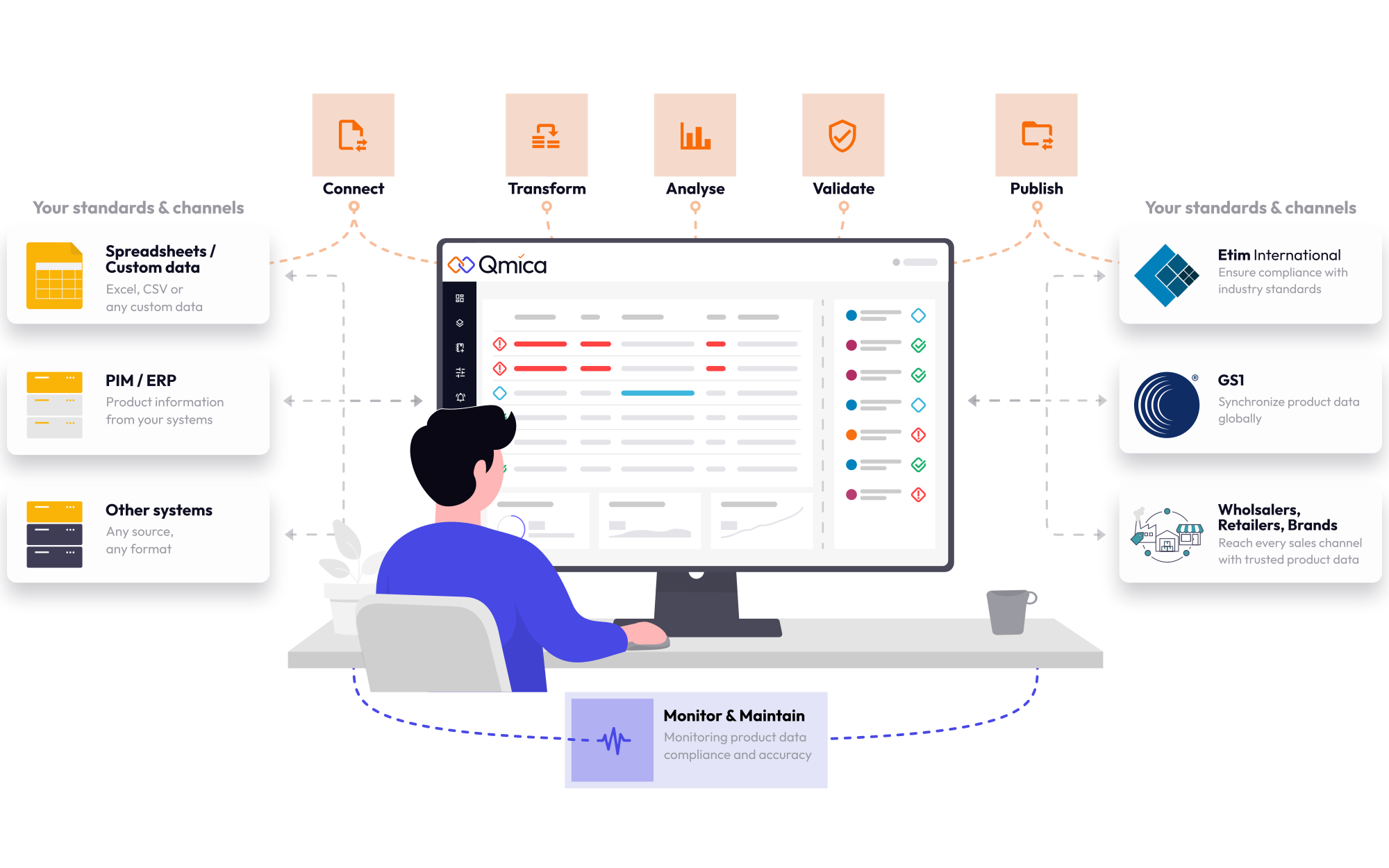
Product data flows from supplier to retailer through certified GDSN data pools.
Everything you need to know about GDSN
GS1 vs GDSN
GS1 defines the standards. GDSN uses those standards to exchange product information between trading partners.
GS1 - Defines standards
GDSN - Exchanges data
GS1 - GTIN & identification
GDSN - Synchronization
GS1 - Global standards organization
GDSN - Global synchronization network
GS1 - Creates the rules
GDSN - Uses those rules
How Qmica supports GDSN
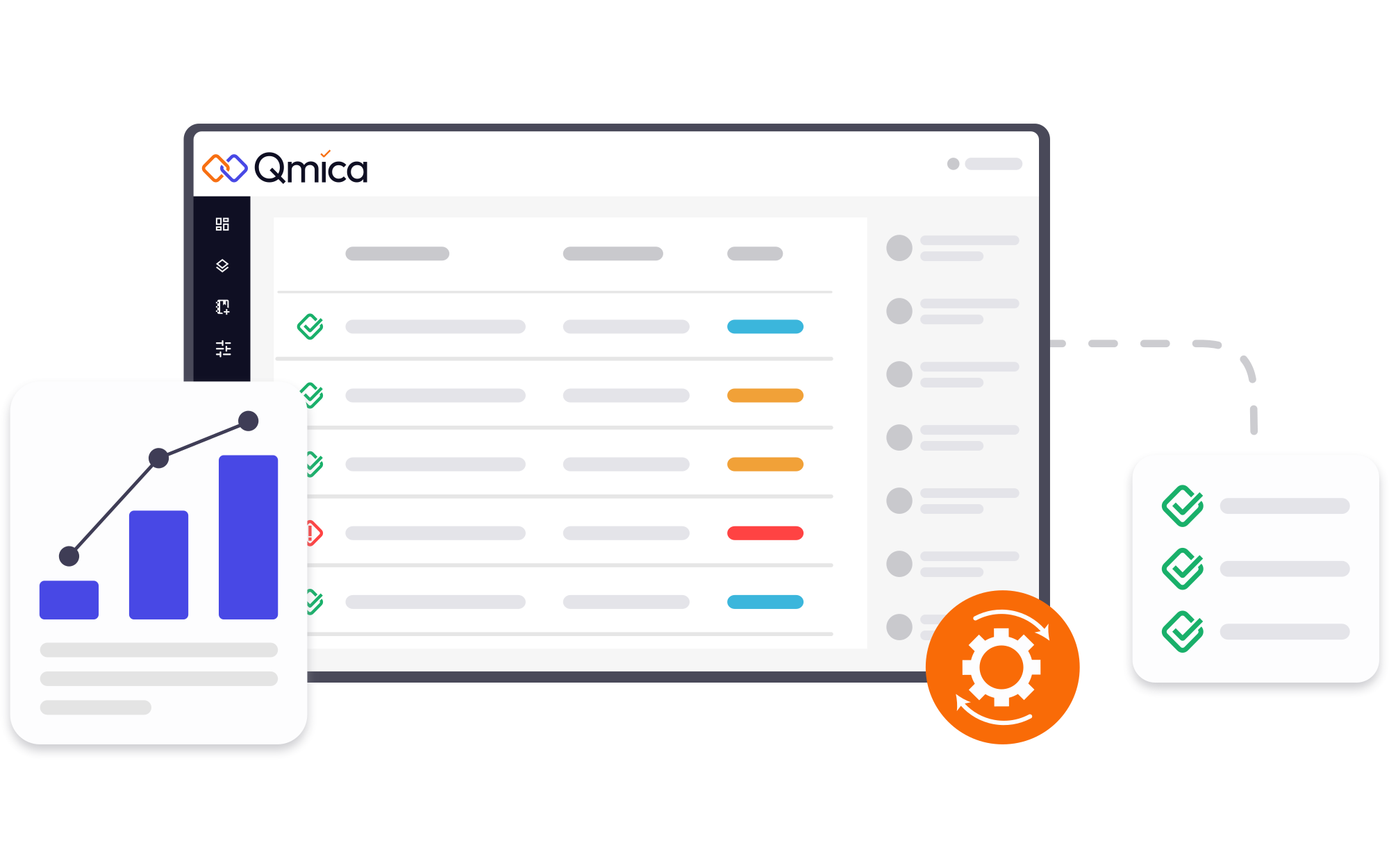
Qmica validates, enriches and manages product data before publication to certified GDSN data pools. Instead of manually checking spreadsheets or retailer requirements, Qmica keeps your product data compliant and automates the complete publishing workflow.
Capabilities:

Validate GS1 attributes before publication
Detect missing mandatory fields
Apply customer-specific validation rules
Publish to certified datapools
Monitor publication status
Synchronize product updates automatically
Frequently asked questions
GS1 is the global standards organization that develops standards for product identification and data exchange. GDSN is one of the networks and standards managed by GS1 for synchronizing product data.
A GDSN data pool is a certified platform that stores and distributes product information between trading partners. Examples include GS1 Data Source, 1WorldSync, and other certified providers.
GDSN is widely used by manufacturers, suppliers, wholesalers, retailers, distributors, and e-commerce organizations that need reliable and up-to-date product information.
GDSN supports a wide range of product information, including product descriptions, dimensions, weights, packaging hierarchies, images, nutritional information, and regulatory da
Yes. Qmica enables organizations to prepare, validate, manage, and publish product data to GDSN-compliant data pools through automated workflows and integrations.
Qmica helps organizations map, validate, and synchronize product data according to GS1 standards, reducing manual effort and improving data accuracy. Qmica maintains the data standards and displays any necessary changes relevant to the customer on the dashboard
GDSN eliminates inconsistent product information, manual spreadsheets, duplicate data entry, communication errors, and delays in sharing product updates with partners.
Ready to simplify your product data exchange with GDSN?
See how Qmica helps you publish once and synchronize everywhere.